Islamic Azad University Faculty Member: The International Higher Education and Research Complex of the Islamic Seminaries Paves the Way for Introducing and Explaining Islamic Civilization on the Global Stage
- روابط عمومی و رسانه
- Latest News


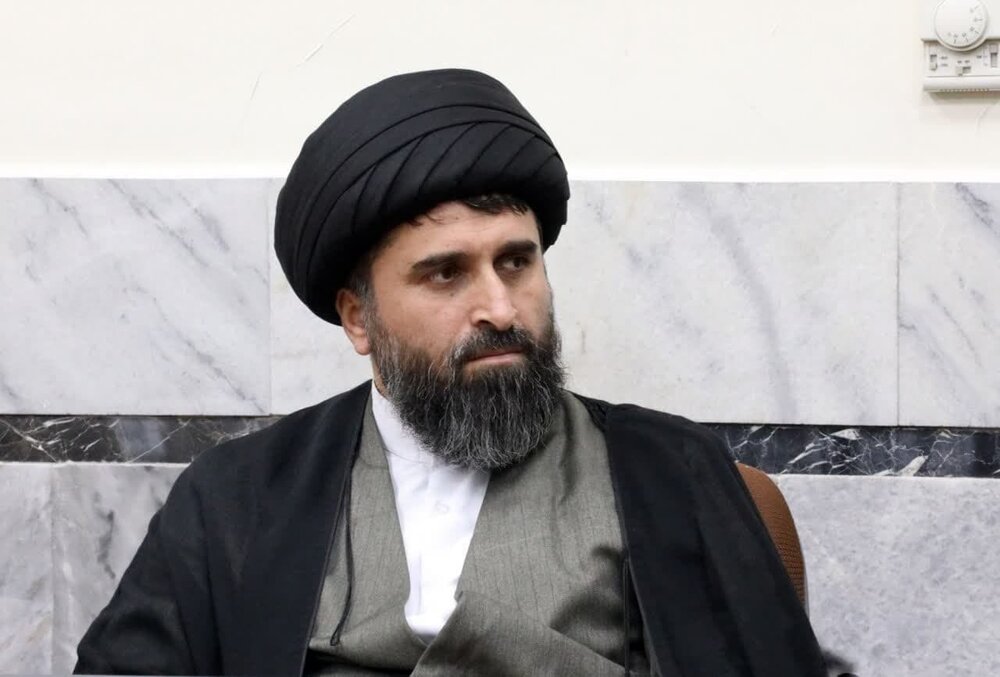
A faculty member of Islamic Azad University, emphasizing the extensive capacities of the Islamic seminaries (hawzas) in the international arena, stated: “The hawzas have the capacity to produce and present a system of thought and civilization based on pure Islam and the Islamic Revolution.”
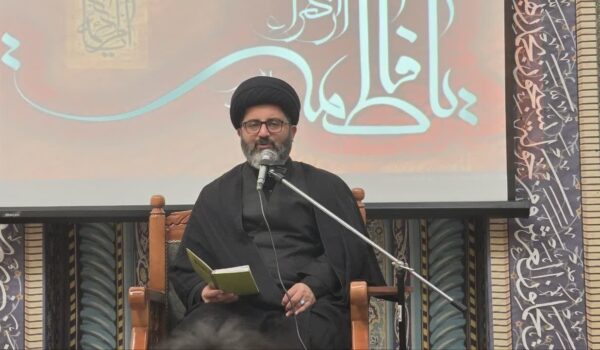
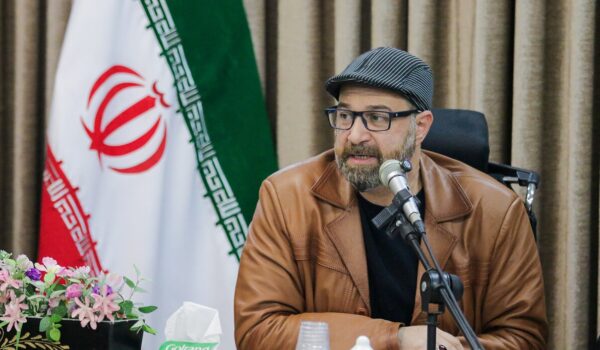
According to the Public Relations and Media Unit of the International Higher Education and Research Complex of the Islamic Seminaries, Hujjat al-Islam wal-Muslimin Sayyid Amir Sakhavatian, speaking in an interview on the sidelines of the scholarly session “Resistance: A Strategy for Confronting U.S. Colonial Ambitions,” referred to the civilizational background of the hawzas and said: “In certain periods of history, especially in the era of Shaykh al-Tusi, the Islamic seminaries were important centers for the production of knowledge and of civilization-building thought, and they played an effective role in the formation and expansion of Islamic civilization. In later periods, however, and under the influence of political and social developments, part of this civilizational role gradually faded.”
Turning to contemporary developments and the period after the victory of the Islamic Revolution, the hawza and university professor added: “With the formation of the Islamic system, new missions and needs were placed before the hawzas. In the early years of the Revolution, training specialized personnel to meet the needs of the judiciary was a priority, and later the necessity of the hawza’s specialized entry into fields such as economics, culture and politics received greater attention than before.”
He continued: “From the mid-1370s SH (the mid-1990s), the horizon of the hawzas’ activities gradually widened, and the need to attend to the requirements of the Islamic world and of global society, alongside domestic missions, was raised. In this framework, attention was given to the international capacities of the hawza and to the formation of institutions such as Al-Mustafa International University, in keeping with the new needs and with horizons beyond the country’s borders.”
Stressing the importance of establishing a specialized body to organize and develop the international activities of the Islamic seminaries, Sakhavatian noted: “The creation of the International Higher Education and Research Complex should be regarded as a valuable measure and a positive step toward meeting this need; an institution that can put the scholarly, educational and research capacities of the hawza to work in fulfilling its international and civilizational mission.”
Explaining the dimensions of the Complex’s mission, the professor said: “International activities should not be confined merely to facilitating communications, coordination and administrative affairs; they must be defined within the framework of a civilizational mission. The hawzas have the capacity to produce and present a system of thought and civilization based on pure Islam and the Islamic Revolution, and the Complex can play a role in introducing and explaining this capacity to global audiences.”
Referring to the different levels of the hawzas’ civilizational mission, he stated: “This mission can be pursued at three levels: the domestic level, the Islamic world, and the global arena and humanity at large. In addition to meeting the needs of domestic society, the hawzas should also play an active and effective role in the issues and developments of the Islamic world, and in the intellectual and cultural questions and needs of global society.”
Sakhavatian also emphasized the need to take account of the circumstances of international audiences in scholarly and cultural work, saying: “The translation of hawza and Islamic works should not be limited merely to transferring words and concepts from one language to another. For Islamic teachings to be presented effectively in different societies, the needs, issues, cultural features and intellectual circumstances of the audience must first be identified; the authentic foundations of Islam should then be reread and explained in light of those conditions, and only then translated and presented.”
The Islamic Azad University faculty member regarded the training of specialized human resources as one of the requirements for fulfilling this mission, and added: “Effective activity in the international arena requires personnel who, on the one hand, have a deep familiarity with the scholarly, intellectual and civilizational literature of the Islamic seminaries and, on the other, have acquired the ability to convey these concepts to different audiences and societies.”
In conclusion, offering a positive assessment of the capacities and initiatives of the International Higher Education and Research Complex of the Islamic Seminaries, he expressed the hope that, by drawing on the scholarly and human capacities of the hawza, the Complex would be able to broaden the scope of its activities still further and play a more effective role in introducing and explaining Islamic thought and the civilization that has arisen from the Islamic seminaries at the global level.