Director of the International Complex of the Islamic Seminaries Meets Scholars, Seminary Students and Cultural Officials on a Visit to Golestan and Mazandaran
- روابط عمومی و رسانه
- Latest News


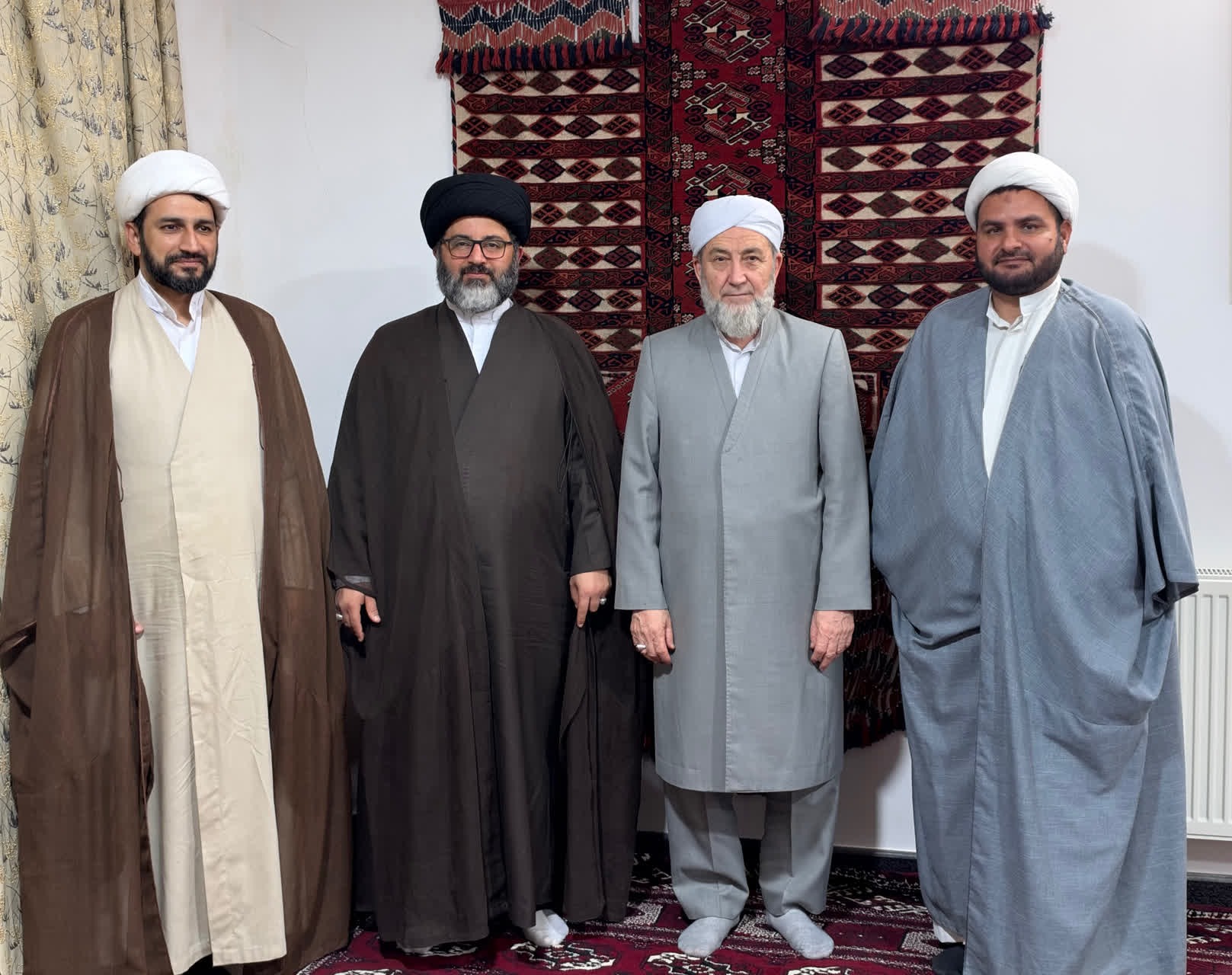
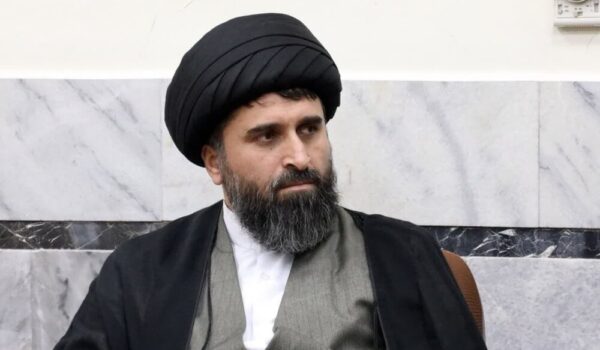
Hujjat al-Islam wal-Muslimin Musavizadeh, director of the International Higher Education and Research Complex of the Islamic Seminaries, together with the director of the Secretariat of Qur’anic Research and an accompanying delegation, traveled to the provinces of Golestan and Mazandaran, where he met a number of scholars, hawza figures and cultural officials and discussed ways of expanding the international activities of the Islamic seminaries and of drawing on regional capacities in this field.
According to the Public Relations and Media Unit of the Complex, among the most important themes of the visit were a survey of the scholarly, missionary and cultural capacities of the country’s northern regions, the development of inter-institutional cooperation, the strengthening of proximity (taqrib) and international activities, and an emphasis on training seminary students who possess scholarly and linguistic abilities.
Meeting with Golestan’s representative in the Assembly of Experts
The director of the International Higher Education and Research Complex of the Islamic Seminaries and the accompanying delegation met and held talks with Hajj Kamal Akhund Gharavi, the representative of the people of Golestan Province in the Assembly of Experts.
The meeting was held in the context of engagement with the province’s scholars and religious figures and of examining existing capacities for strengthening the international and proximity-oriented activities of the Islamic seminaries.
Review of proximity and international plans
A review of proximity and international plans with the Islamic Propagation Organization of Golestan was another item on the visit’s program. In this connection, a joint session was held between Hujjat al-Islam Musavizadeh and Hujjat al-Islam wal-Muslimin Deylami, the director general of the Islamic Propagation Organization in Golestan Province.
At the session, the capacities of Golestan Province as one of the country’s important regions in terms of ethnic and religious diversity for developing proximity and international activities were examined, and the two sides discussed areas of cooperation and synergy between hawza and missionary institutions.
One of the main themes of the session was a review of the operational dimensions and development of two strategic plans, “Qizil Imam” and “Ummat Ahmad.” The “Qizil Imam” plan is centered on explaining and deepening the long-standing love and devotion of Sunni brothers and sisters for Imam Ali ibn Musa al-Rida (AS). It has been designed with the aim of highlighting the doctrinal and emotional commonalities among Muslims and of introducing manifestations of love for the Ahl al-Bayt (AS) among Islamic peoples and schools.
The “Ummat Ahmad” plan, centered on the blessed Eid of the Mab’ath (the Prophet’s appointment to his mission) of the Noble Prophet (peace and blessings be upon him and his family), is being pursued with the aim of turning this occasion into a platform for strengthening the convergence and unity of the Islamic ummah and for expanding joint cultural, scholarly and popular programs between Shi’a and Sunnis.
At the close of the session, the need for scholarly and research support from the International Complex of the Islamic Seminaries for the popular and missionary capacities of Golestan Province was emphasized, and the formation of joint working groups to operationalize these plans and to expand them internationally was agreed.
Visit to the professors and students of the Imam Khomeini Seminary in Gorgan
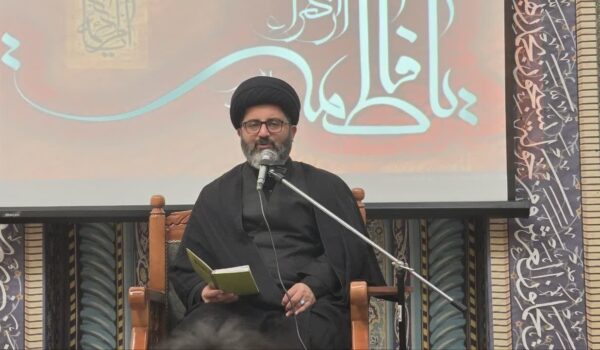
Continuing his program, Hujjat al-Islam Musavizadeh joined the professors and students of the Imam Khomeini (RA) Seminary in Gorgan and set out the necessities and requirements of missionary work in the international arena.
Referring to the receptiveness of the world’s peoples and their need for Islamic teachings, he said: “Today the Islamic seminaries face an important responsibility in the global arena and must acquire the necessary scholarly and practical readiness to meet this need.”
Citing missionary experiences in various countries, the director of the Complex described the teachings of the Ahl al-Bayt (AS), the Holy Qur’an and the hawza sciences as possessing a wide capacity for communication with global audiences, and stated: “Effective use of this capacity requires mastery of foreign languages, knowledge of the audience’s culture, and a strong scholarly foundation.”
Emphasizing the importance of deep study, discussion (mubahathah) and research, he noted: “A seminary student who, with a divine intention, devotes himself to studying and learning the religious sciences and acquires the needed skills can in the future be the source of extensive scholarly, cultural and missionary services.”
Hujjat al-Islam Musavizadeh also listed the learning of Arabic, English and Spanish among the important priorities of the international field, and stressed the need to make use of cyberspace and of Qur’anic instruction in order to expand religious communication.
A cordial meeting with the students of Shahid Amiri Seminary
The director of the International Higher Education and Research Complex of the Islamic Seminaries also held a cordial conversation with the students of Shahid Amiri Seminary (RA).
In this meeting, he regarded the learning of foreign languages as one of the necessities for the effective presence of seminary students in the field of international preaching, and stressed the importance of memorizing the Qur’an and of continual familiarity with Qur’anic teachings.
Visit to the Babol hawza
Continuing the visit of the director of the International Higher Education and Research Complex of the Islamic Seminaries to Mazandaran Province, Hujjat al-Islam wal-Muslimin Sayyid Ja’far Musavizadeh met and held talks with Hujjat al-Islam wal-Muslimin Ghanbari, the director of the Babol hawza.
In this meeting, areas of interaction and cooperation with a view to strengthening the scholarly, educational and international activities of the Islamic seminaries, and to drawing on the hawza capacities of the region, were examined.
The visit was undertaken in order to strengthen the connection and engagement of the International Higher Education and Research Complex of the Islamic Seminaries with the hawza, scholarly and cultural capacities of the country’s northern provinces, and to prepare the ground for the expansion of international activities.
Among the most important themes raised in the meetings and sessions of the visit were a review of ways to strengthen unity and the proximity of Islamic schools, the development of scholarly and missionary cooperation, the expansion of Qur’anic activities, and the training of seminary students who possess scholarly, linguistic and practical abilities.